


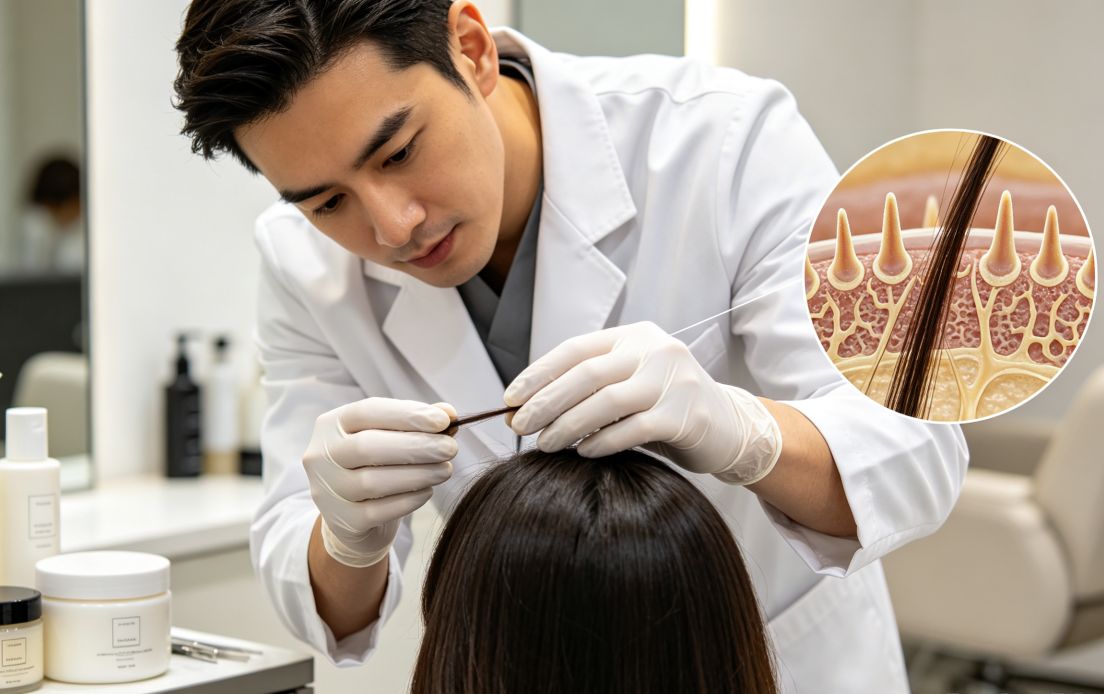
Hair fibers can become weaker over time through repeated exposure to heat, chemicals, friction, and environmental stress. A stylist gently lifted a small section of a client’s hair beneath a bright consultation light, revealing strands that looked smooth on the surface yet felt rough between the fingers. It was a reminder that healthy-looking hair does not always reflect what is happening inside the fiber. During consultations at settings such as a luxury hair salon Winter Garden, professionals may evaluate these less visible changes before recommending treatments that match the hair’s actual condition rather than current beauty trends.
Hair care has evolved beyond choosing a conditioner or trying the latest social media recommendation. Research continues to improve our understanding of how the hair shaft responds to different treatments, allowing professionals to recommend approaches that support hair fiber protection instead of masking damage temporarily.
Looking Beneath the Surface
Hair is made primarily of keratin, a durable protein arranged in layers. The outermost layer, called the cuticle, consists of overlapping cells that act much like shingles on a roof. When these cells remain smooth and intact, hair reflects light well and feels softer.
The International Journal of Trichology notes that repeated chemical processing, excessive heat styling, ultraviolet radiation, and mechanical stress can gradually lift or break these cuticle layers. Once the protective barrier weakens, the inner cortex becomes more vulnerable to moisture loss and structural damage.
Understanding this basic structure helps explain why treatments that appear similar may produce very different long-term results.
Step 1: Identify the Type of Hair Damage
Every successful treatment begins with understanding the source of the problem rather than focusing only on visible symptoms.
- Chemical damage from bleaching, coloring, relaxing, or perming
- Thermal damage caused by frequent blow drying or high-temperature styling tools
- Environmental damage from sunlight, pollution, humidity, or saltwater exposure
- Mechanical damage resulting from aggressive brushing, tight hairstyles, or friction
The American Academy of Dermatology Association advises minimizing unnecessary stress on hair because cumulative damage often develops gradually instead of appearing after a single event.
Step 2: Define the Desired Outcome
Professional treatments serve different purposes, making it important to clarify expectations before selecting one.
Someone seeking smoother texture may require a different approach from a person hoping to strengthen weakened strands after repeated coloring. Likewise, improving shine does not necessarily repair structural damage within the hair fiber.
Thinking of hair treatment like maintaining a wooden floor can be helpful. A fresh polish improves appearance, while repairing deep cracks requires a different process entirely.
Step 3: Understand How Professional Treatments Work
Modern salon treatments often rely on different scientific mechanisms rather than offering identical benefits.
Protein-Based Treatments
Protein-rich formulas temporarily reinforce weakened areas of the hair shaft by filling small structural gaps. These treatments can improve strength and reduce breakage in damaged hair, although excessive protein without proper moisture balance may leave hair feeling stiff.
Moisture-Focused Treatments
Hydrating masks and conditioning systems help restore flexibility by increasing moisture retention. Hair that bends instead of snapping generally has better elasticity, which contributes to reduced breakage during everyday styling.
Bond-Building Treatments
The Society of Cosmetic Chemists highlights ongoing advances in bond-building technologies designed to support hair fibers affected by chemical services. These products aim to reinforce internal structural connections that may weaken during bleaching or coloring.
Although results vary depending on hair condition, these treatments illustrate how cosmetic science increasingly focuses on preserving fiber integrity instead of delivering only cosmetic improvements.
Step 4: Consider Maintenance Before Committing
No professional treatment works independently of daily care.
Heat protection, gentle cleansing, reduced friction during brushing, and appropriate conditioning all influence how long treatment benefits last. Experts from The American Academy of Dermatology Association emphasize that consistent maintenance often determines whether hair remains healthy between appointments.
Maintenance requirements also differ significantly. Some smoothing treatments require sulfate-free cleansers, while intensive repair services may benefit from periodic follow-up sessions to maintain results.
Step 5: Seek Individual Assessment Instead of Following Trends
Hair trends often spread quickly through social media, yet identical treatments rarely produce identical results.
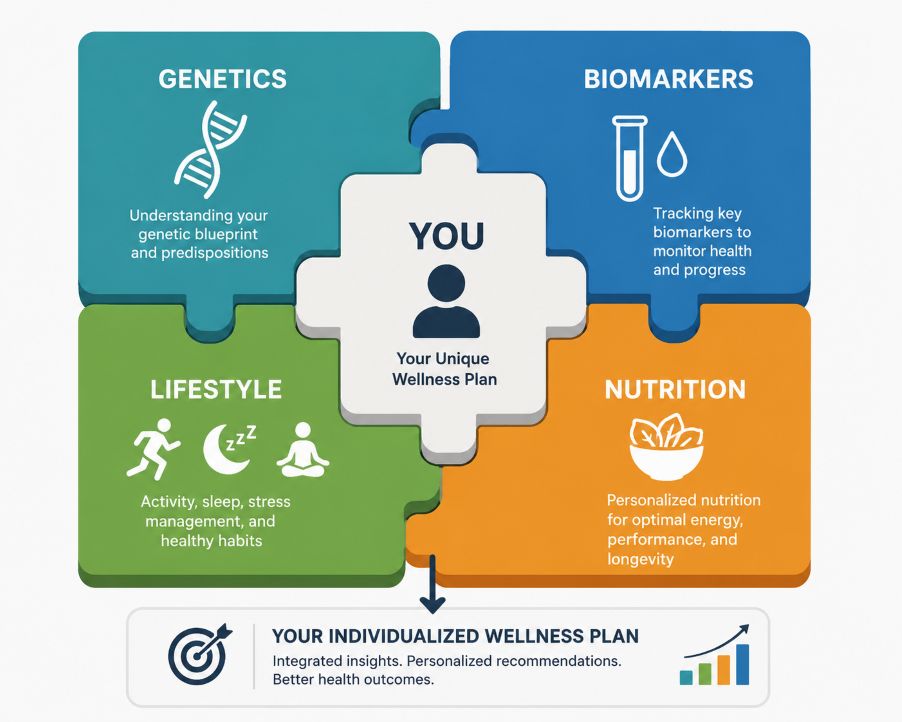
Professionals generally assess factors such as hair density, texture, elasticity, previous chemical history, scalp condition, and lifestyle before recommending appropriate options. Individual consultations help determine whether a treatment supports long-term hair health or simply addresses a temporary cosmetic concern. This emphasis on individualized care reflects a broader healthcare trend toward tailoring interventions to each person’s unique needs, similar to recent advances in personalized treatment approaches that use scientific understanding to improve decision-making across different fields of medicine.
This personalized approach reflects a broader shift toward evidence-based beauty practices, where recommendations are increasingly guided by hair biology instead of popularity.
Why Hair Fiber Protection Matters
Preventing damage is usually easier than reversing it once structural changes occur.
The National Center for Biotechnology Information (NCBI) has published studies showing that cumulative damage alters the physical properties of hair fibers over time. As cuticle layers become increasingly compromised, strands lose strength, smoothness, and moisture retention.
Protective habits support professional treatments by reducing ongoing stress on the hair. These habits include lowering styling temperatures, limiting repeated chemical processing, using wide-tooth combs on wet hair, protecting hair from prolonged ultraviolet exposure, and scheduling trims to remove split ends before they spread.
Science Over Short-Term Fashion
Hair care continues to evolve as researchers gain a better understanding of fiber biology and cosmetic chemistry. Today’s professional treatments often combine advanced formulations with individualized assessment, allowing recommendations to be tailored to each person’s unique hair characteristics.
Perhaps the most interesting shift is that healthy hair is becoming less about achieving a single fashionable look and more about preserving the structure beneath the surface. When treatment choices are guided by scientific understanding rather than passing trends, every appointment becomes part of a longer conversation about maintaining stronger, more resilient hair for years to come.
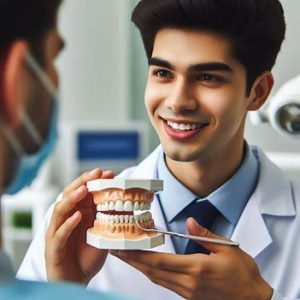 According to the American College of Prosthodontists, more than 36 million Americans lose all their teeth before reaching their 50s. This rising demand for restorative and cosmetic care is fueling a new era of innovation in dentistry. Modern practitioners are moving far beyond basic fillings and extractions. They’re embracing advanced technology, evidence-based methods, and continuous training to deliver treatments that are comfortable, precise, and life-changing for their patients.



 While discussions about body image issues often center on women, men face their own set of struggles—struggles that are less talked about but just as impactful. Male enhancers, marketed as solutions to perceived inadequacies, are a growing part of this conversation. But instead of boosting confidence, these products often exacerbate body dysmorphia and fuel unhealthy self-perception. Let’s dive into how the cultural obsession with physical perfection and reliance
 Below are recommendations from some Quora members who based their feedback on their personal experiences.
 The most well-known refractive treatment, LASIK is also called as Laser-Assisted In-Situ Keratomileusis. LASIK treatment aims to reshape the cornea through the destruction of the small tissue within the area.


